← SpaceBuilder

Hina

Maramataka · Lunar Calendar

Today's moon phase
Tonight's phase
Day — of 29
Loading…
Lunar cycle
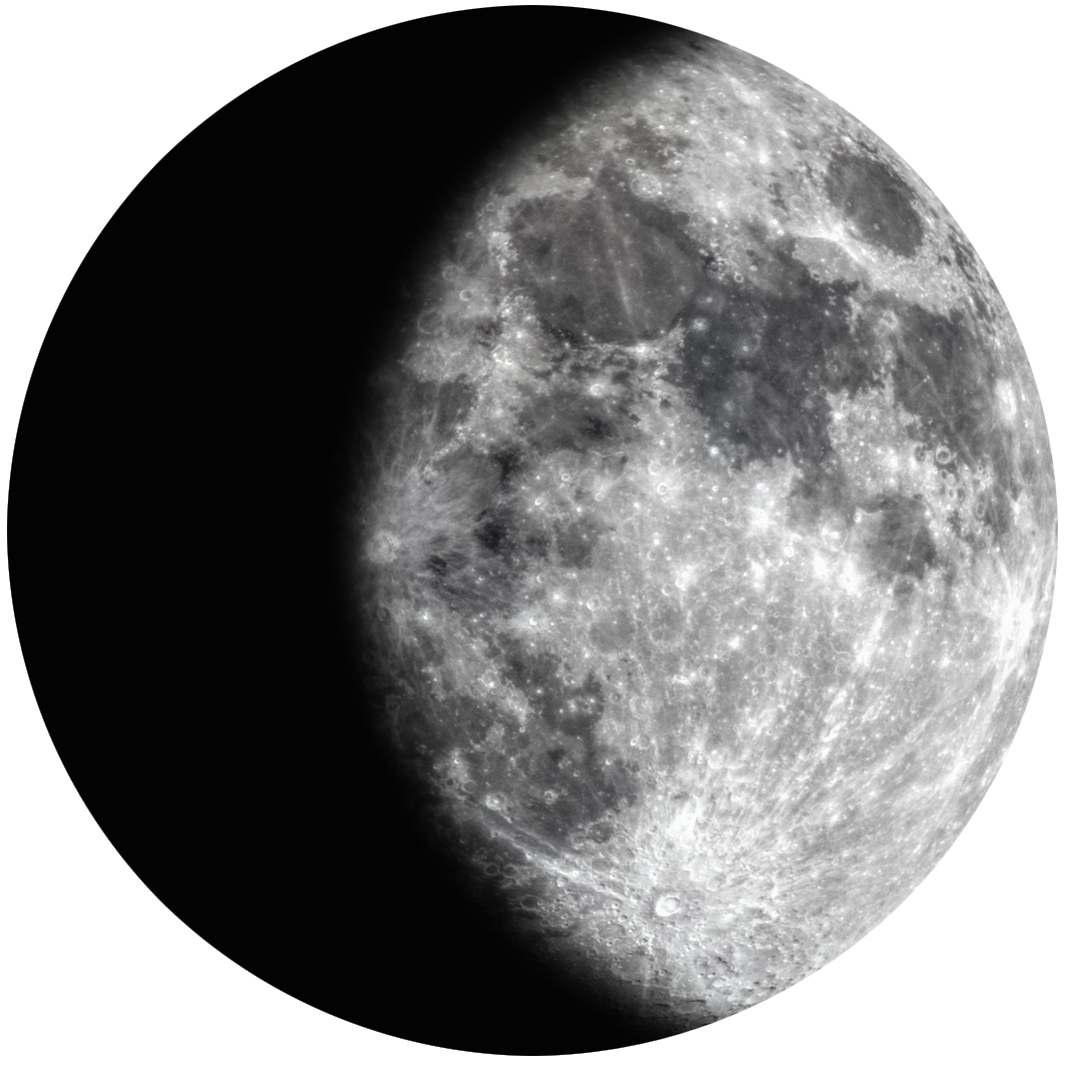
Winter moon

Takurua

Winter

Pipiri May – June

The earth and its people are cold as the weather cools down. The first month of the Māori lunar calendar is marked by the star cluster Matariki. This is a time of new beginnings and celebrations. What is the history of your local area or family? Share this with your whānau and friends.

Hōngōngoi June – July

People are now very cold and make fires to keep warm. Hōngōngoi is the coldest time of the year. A time to gather around the fire and share stories. This was one way of preserving oral traditions, history, and whakapapa. Recall a traditional Māori story, like how Māui slowed the sun or the story of Rona and the Moon.

Hereturikōkā July – August

The warmth of the fire can be seen on the knees of people. Hereturikōkā is a significant time for inanga (whitebait) as they migrate through fresh waterways, preparing to spend their adult lives there. This is also when people catch inanga to eat! Find out about inanga; then draw and label the stages of their life cycle.
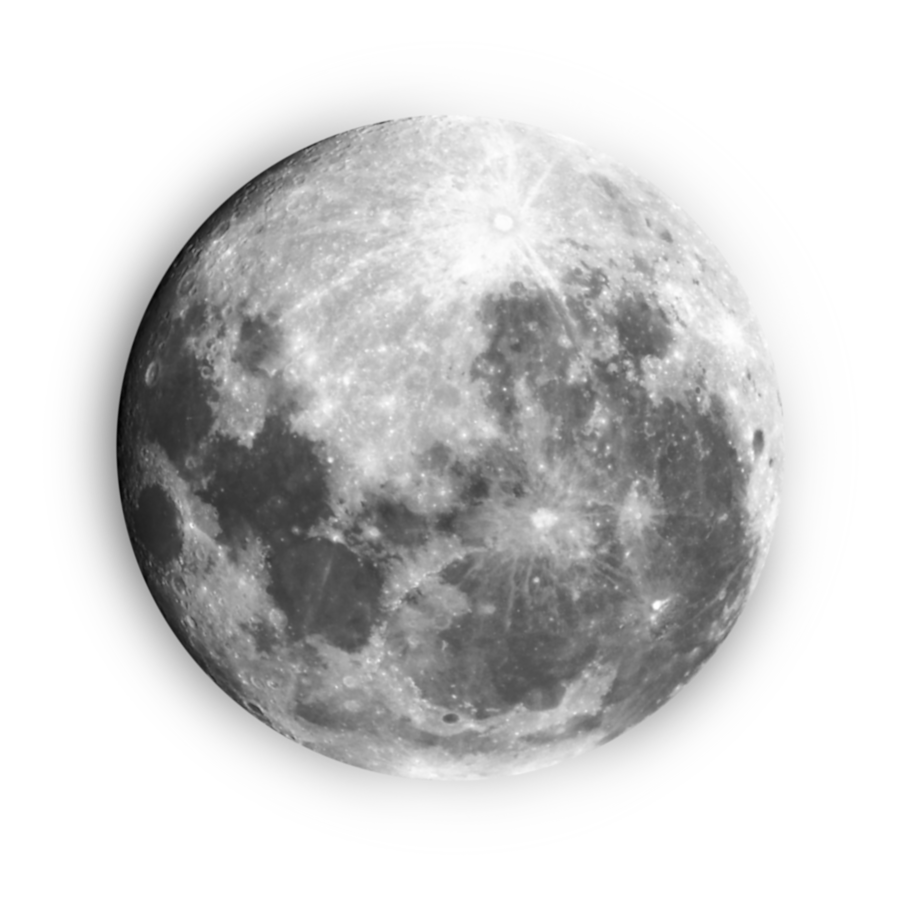
Summer moon

Raumati

Summer

Hakihea November – December

Birds are in their nests; the land is ploughed and lays bare. Hakihea is identified by the rising of the star Rehua (Antares). Karaka berries are ripening and flowers are abundant. The pōhutukawa is in bloom and some crops are ready for harvesting. Write a letter or poem to someone from a different country, describing the pōhutukawa tree.

Kohitātea December – January

Fruits are ripe and people eat the new food of the season. Kohitātea refers to the gathering of summer fruits that are ready for picking at this time. Survey your friends or whānau on their favourite summer fruits. Record your findings in a tally chart then transfer your data to a graph of your choice.

Huitanguru January – February

The foot of Rūhī (summer star) now rests upon the earth, indicating the end of summer. Huitanguru is named for the tanguru – a large green beetle also known as the kekerewai – which was found throughout forests. Write a report about a native beetle of your choice and share with your class or friends.

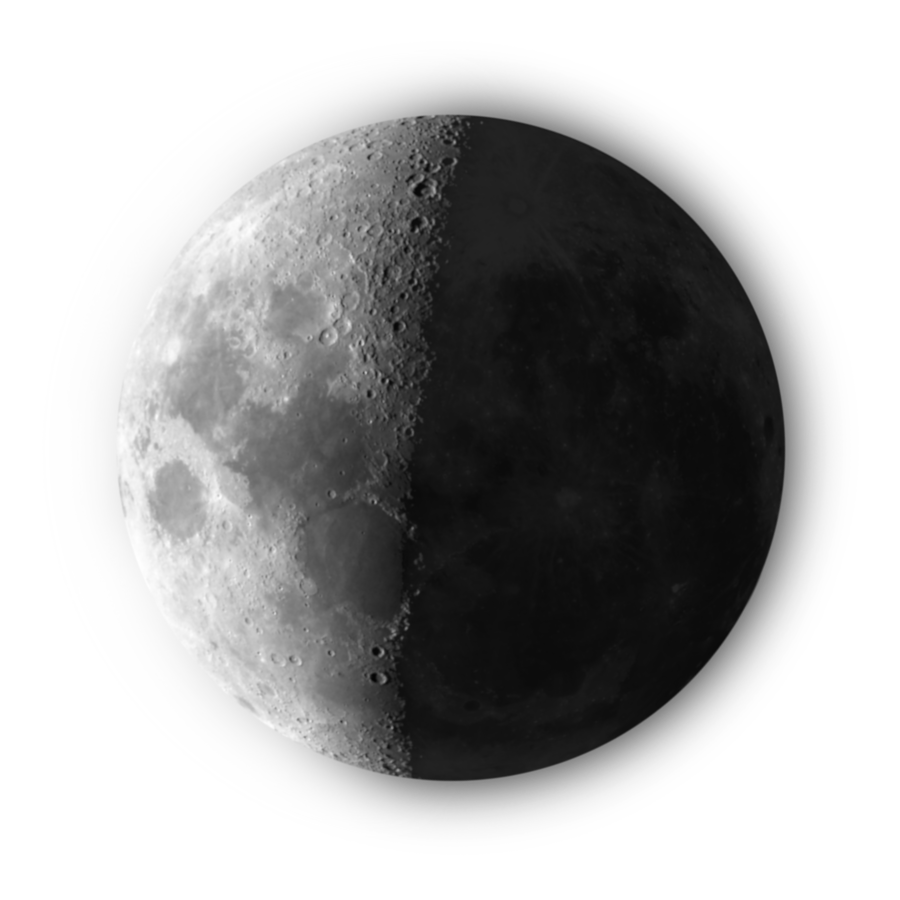
Spring moon

Kōanga

Spring

Mahuru August – September

The weather is becoming warm and plants are beginning to grow again. It's time to prepare the gardens for planting. Explore the world of plants by planting some of your favourite vegetables.

Whiringa-ā-nuku September – October

'Whiringa' refers to a plait on a garment and 'nuku' to the earth. The two words together refer to spring growth. Crops are planted and crayfish, eel, inanga, and freshwater fish are caught inland. The roots of the tī kōuka tree are dug up and used for medicinal purposes. Consider the medicinal use of a New Zealand native tree of your choice.

Whiringa-ā-rangi October – November

It is becoming summer, and the sun is strong. Mutton bird (tītī) are caught and preserved, while crayfish and freshwater fish continue to be caught. Kahawai fishing season begins. Research the hīnaki (eel trap). Draw and label the parts of the hīnaki and describe how it traps an eel.

Autumn moon

Ngahuru

Autumn

Poutūterangi February – March

Crops are now harvested. Poutūterangi is the star Altair, and it signals the maturing of crops. Soon after this star rises above the horizon the first kūmara harvests begin. Using kūmara as the main ingredient, create an original recipe for a dish that will be sure to impress the whānau.

Paengawhāwhā March – April

Vegetation stalks and stems are stacked at the borders of the crop fields. Around this time, kūmara leaves will start to go brown, signaling that the kūmara are ready for harvesting. Now is a time of thanksgiving for the main crop harvests. Interview a kaumātua (elder) about their experiences of harvest or gardening.

Haratua April – May

Crops are stored in pits. Now it is time to rest. Haratua is the time for storing harvested crops. Preparations continue for the coming winter. Research and share with a friend traditional Māori storage containers.

Sign in to track your wellbeing across lunar phases.

How are you feeling today?

Tonight's phase:

No data yet. Log how you feel to start tracking your wellbeing across the lunar cycle.

Recent entries

    Moon

    Te Maramataka

    The Turning of the Moon

    The Māori lunar calendar is called the Maramataka, which literally means the turning of the moon. It marks the phases of the moon in a lunar month.

    Each night, which also typically marks a day, was given a name and over time each day / night was accompanied by information guiding fishing, gardening, and other activities in the natural world.

    During a typical lunar month, some days are noted as being favourable for resource harvesting, whereas other days are known to be unfavourable.

    Fishing and planting food by the way of the moon, the tides, and the elements is still common today – and so the Maramataka still plays an important part in people's lifestyle.

    For example, eel fishing is not productive on the full moon (Rākaunui) because bright moonlight would not allow the eel to hunt as its prey could see them. Eels don't have very good eyesight, and generally avoid bright conditions. They tend to hunt and be more active when the conditions favour their sensory systems (smell, vibrations).

    Shellfish tend to be more common after a low tide as there's more reef or beach to access with a spring tide – and the tides are controlled by the moon's current phase.

    When it comes to planting crops the gravitational pull of the moon is thought by some to influence how much water is in the soil. The amount of light coming from the moon may be another contributing factor. This may be why, according to the Maramataka, there are good and bad days for planting seeds.

    Five Traditions

    This app includes lunar day names from five Pacific peoples, each with their own Maramataka tradition:

    • Aotearoa — New Zealand Māori
    • Hawaiʻi — Hawaiian
    • Tahiti — Tahitian
    • Mangareva — Gambier Islands
    • Moriori — Rēkohu (Chatham Islands)